
Efficient Electric in My Home
Lowering your electricity bill isn’t just about saving a few dollars—it’s about making your home smarter and more sustainable. Whether you’re dealing with a drafty older house or a modern apartment, small shifts in habit can lead to massive gains in efficiency.
Here is your guide to trimming the fat off your power bill without living in the dark.
1. Conquer the “Energy Vampires”
Did you know your appliances are eating while you sleep? Even when turned off, many electronics draw “phantom power.”
- Smart Power Strips: These automatically cut power to devices (like your TV or gaming console) when they aren’t in use.
- Unplug: If you aren’t using that toaster or spare phone charger, pull the plug. It sounds tedious, but it adds up over a year.
2. Master Your Climate Control
Heating and cooling usually account for the biggest chunk of your utility bill.
| Strategy | Action | Impact |
| The 1-Degree Rule | Lower your thermostat by just 1°C in winter. | Can save up to 10% on your heating bill. |
| Seal the Leaks | Use weatherstripping on doors and windows. | Stops “paid-for” air from escaping. |
| Smart Thermostats | Install a programmable device (like Nest or Ecobee). | Adjusts temps automatically when you’re at work or asleep. |
3. Light it Up (The Right Way)
If you are still using old incandescent bulbs, you’re essentially paying for heat, not light.
- Switch to LEDs: They use 75% less energy and last 25 times longer.
- Leverage Natural Light: Open the blinds during the day to heat your home naturally in the winter; close them in the summer to keep the heat out.
4. Rethink Your Laundry & Kitchen Habits
Large appliances are heavy hitters. Efficiency here is all about timing and temperature.
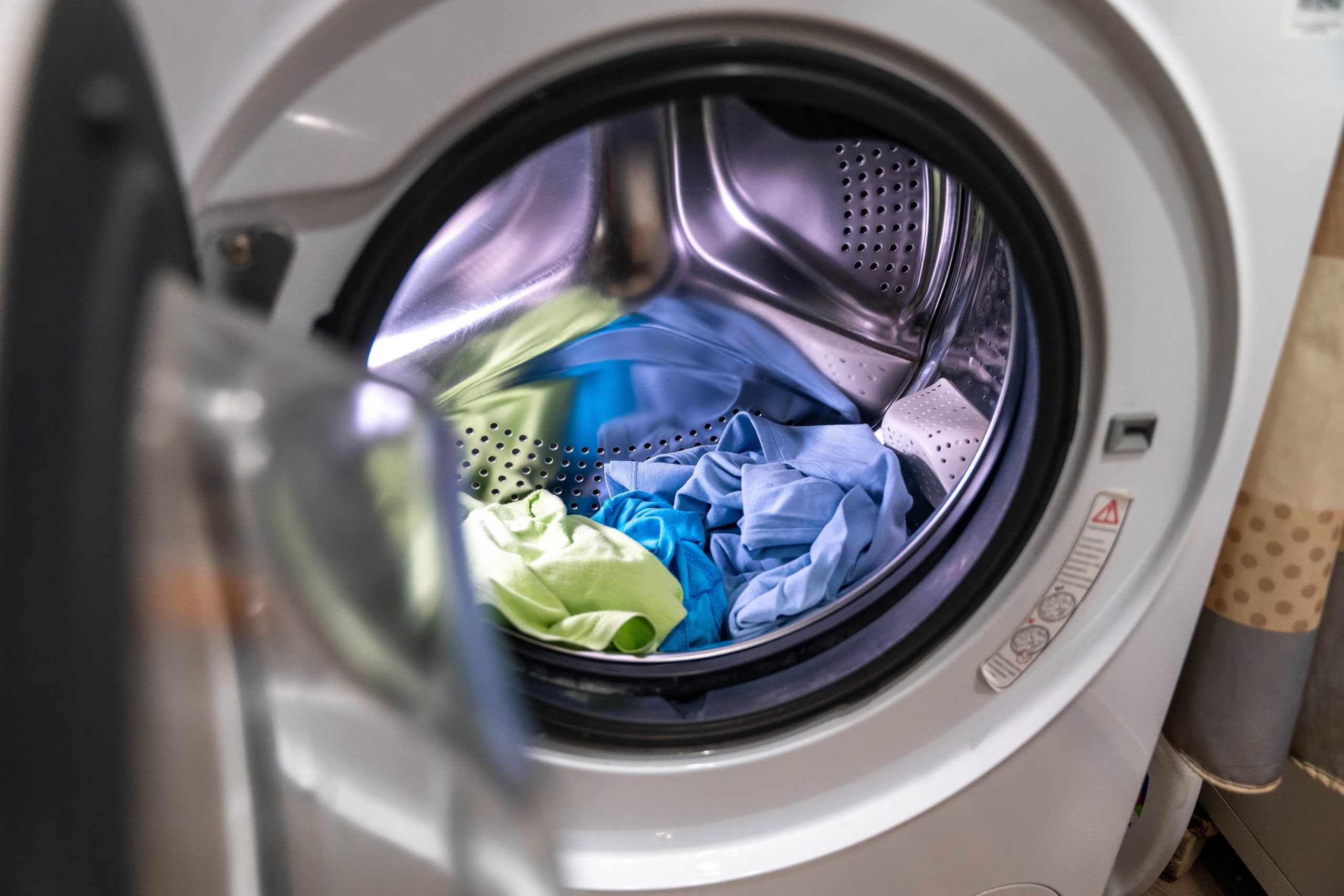
- Wash Cold: About 90% of the energy a washing machine uses goes toward heating the water. Modern detergents work just as well in cold water.
- Full Loads Only: Your dishwasher uses the same amount of water and electricity regardless of how many plates are inside. Make it count.
- The Air-Dry Hack: Skip the “heat dry” cycle on your dishwasher and just crack the door open.
Pro-Tip: Check Your Water Heater
Most water heaters are set to 60°C (140°F) by default. Turning it down to 49°C (120°F) is usually plenty hot for showers and dishes, and it prevents “standby” heat loss that you’re paying for 24/7.
Ready to see exactly where your money is going?
Would you like me to help you create a customized energy audit checklist based on the specific appliances you have in your home?
Contact Us
We are here for any kind of question you might have.